









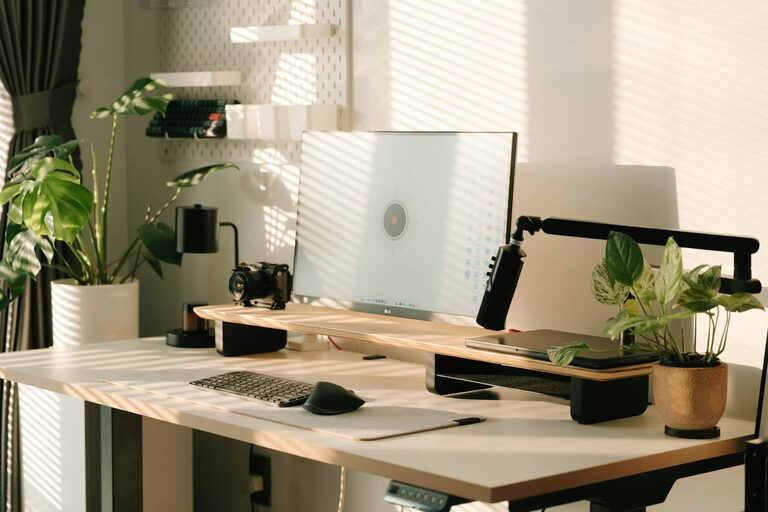
Creating a home office that is both cozy and productive can make a huge difference in your workday. A well-designed space helps you stay focused, feel comfortable, and boost your creativity. Whether you work from home full-time or need a spot to tackle tasks occasionally, these tips will help you build an environment where you can thrive.
1. Choose the Right Location
The first step in setting up your home office is finding the best spot for it. Look for a place with enough natural light and minimal distractions. Ideally, pick a quiet corner or a room with a door so you can separate work from personal life.
Tips for selecting a location:
– Avoid busy areas like the kitchen or living room.
– Consider proximity to an outlet for your electronics.
– Ensure good ventilation to keep the air fresh.
– Think about your privacy needs during calls or meetings.
2. Invest in Comfortable Furniture
Comfort is key to maintaining productivity throughout the day. Ergonomic furniture supports your body and reduces strain, helping prevent discomfort or injury.
Must-have furniture:
– Ergonomic chair: Look for adjustable height, lumbar support, and cushioned seating.
– Desk: Choose a size that fits your work essentials without feeling cramped.
– Footrest or standing desk option: Alternate between sitting and standing to improve circulation.
3. Optimize Lighting
Good lighting reduces eye strain and enhances your mood. Natural light is best, but not all spaces have ample sunshine.
Lighting tips including:
– Position your desk near a window if possible.
– Use a combination of overhead lighting and desk lamps with adjustable brightness.
– Avoid harsh fluorescent lights and glare on screens.
4. Keep Your Space Organized
Clutter can distract and decrease productivity. An organized workspace saves time and helps maintain focus.
Organization strategies:
– Use shelves, drawers, or storage boxes to keep supplies tidy.
– Keep only frequently used items on your desk.
– Use cable management tools to prevent tangled cords.
5. Personalize Your Workspace
Adding personal touches makes your home office inviting and enjoyable.
Ideas to personalize:
– Add plants to bring nature inside and improve air quality.
– Hang artwork or inspirational quotes you love.
– Use decorative organizers or colorful stationery that matches your style.
6. Manage Noise Levels
Noise can disrupt your focus. Depending on your environment, look for solutions to minimize distractions.
Ways to reduce noise:
– Use noise-cancelling headphones.
– Play background music or white noise that helps concentration.
– Add rugs, curtains, and soft furnishings to absorb sound.
7. Incorporate Technology Wisely
Technology should support your work, not complicate it.
Tech tips include:
– Invest in a reliable internet connection.
– Keep your devices updated and backed up.
– Use apps or tools for time management and productivity.
8. Set Boundaries and Routine
Creating clear boundaries between work and home life improves work-life balance.
Establish routines such as:
– Set specific working hours.
– Take regular breaks to stretch and rest your eyes.
– Communicate your schedule to family or housemates to minimize interruptions.
Conclusion
Designing a cozy and productive home office is all about balancing comfort with function. Focus on choosing the right location, investing in ergonomic furniture, optimizing lighting, and keeping the space organized. Personalize your area and manage distractions to create a work environment that keeps you motivated. With these tips, your home office can become a place where you enjoy spending time and accomplish your goals efficiently.
Remember, your workspace should evolve with your needs, so feel free to adjust and improve as you find what works best for you!