









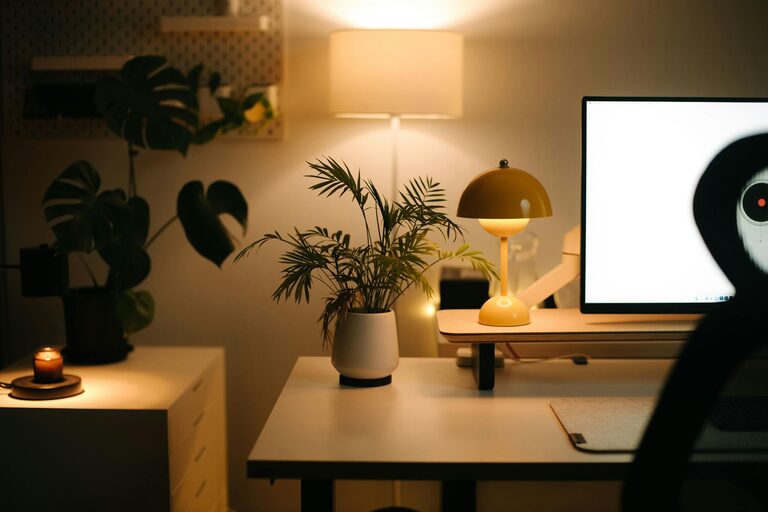
Creating a home workspace that feels both relaxing and productive is key to maintaining a healthy work-life balance, especially when your home doubles as your office. A well-designed workspace can reduce stress, improve focus, and keep you motivated. Here are practical tips to help you design a calming home office environment that supports comfort and boosts your productivity.
Choose the Right Location
Selecting the best spot in your home for your workspace sets the foundation. Ideally, choose a quiet area with minimal distractions. If possible, a separate room works best, but if space is limited, pick a corner where you can set boundaries between work and leisure.
– Prefer a space with natural light to keep your mood uplifted.
– Avoid placing your desk directly facing distractions like televisions or noisy areas.
– Keep your workspace away from high-traffic zones to minimize interruptions.
Invest in Ergonomic Furniture
Comfort is essential for long working hours. An ergonomic chair and desk support good posture and prevent discomfort that can distract you from your tasks.
– Look for chairs with adjustable height, lumbar support, and comfortable cushioning.
– Your desk should be at a height where your elbows rest comfortably at about a 90-degree angle.
– Use a footrest if your feet don’t comfortably touch the floor.
Optimize Lighting
Lighting greatly influences how you feel while working. Natural daylight is ideal, but if that’s limited, invest in good artificial lighting.
– Position your desk near a window for daylight.
– Use soft white LED bulbs to reduce eye strain.
– Consider a desk lamp with adjustable brightness for focused tasks.
Declutter and Organize
A cluttered space can cause stress and reduce focus. Keeping your workspace tidy allows your mind to stay clear and focused.
– Use organizers like trays, shelves, or drawer dividers to keep items in their place.
– Limit your desk to essential items such as your computer, notepad, and a favorite pen.
– Schedule a quick daily cleanup to maintain order.
Incorporate Calming Elements
Adding certain decor elements can create a soothing atmosphere.
– Include plants for a touch of nature and improved air quality.
– Use colors like soft blues, greens, or neutrals that have a calming effect.
– Add personal touches like artwork or inspirational quotes that motivate you.
Manage Noise Levels
Excess noise is distracting and can increase stress levels.
– Use noise-cancelling headphones if you can’t control ambient noise.
– Play soft instrumental music or white noise if it helps you concentrate.
– Consider soundproofing options like thick curtains, rugs, or acoustic panels.
Maintain Good Air Quality
Fresh air keeps your brain alert and reduces fatigue.
– Open windows regularly to circulate fresh air.
– Use an air purifier if you live in a polluted area.
– Keep plants around to naturally improve air quality.
Establish Boundaries and Routine
Having clear rules about your workspace helps maintain productivity.
– Set specific work hours and stick to them.
– Use the space only for work, so your mind associates it with focus and professionalism.
– Communicate your schedule to family or roommates to minimize interruptions.
Take Breaks and Move Around
Even the most comfortable setup can’t replace the need for breaks.
– Follow the 20-20-20 rule: every 20 minutes, look at something 20 feet away for 20 seconds.
– Stand up, stretch, or take a quick walk every hour.
– Use breaks to hydrate and rest your eyes.
Use Technology Mindfully
Technology can be both a help and a distraction.
– Organize your digital workspace just like your physical one.
– Use apps to block distracting websites during work hours.
– Keep chargers, cables, and devices neatly arranged to avoid clutter.
Personalize Your Workspace Without Overdoing It
A personal touch makes your workspace inviting and encourages you to spend time there, but too much personalization can become distracting.
– Choose a few meaningful items like a photo frame, a favorite mug, or a desk toy.
– Avoid overcrowding your desk with unnecessary knick-knacks.
– Rotate items seasonally to keep the environment fresh and interesting.
—
Creating a relaxing home workspace doesn’t require a complete overhaul. With thoughtful choices and small adjustments, you can build an environment that supports your productivity while keeping you comfortable and calm. Remember, the goal is to make your workspace a place where you feel motivated, focused, and balanced throughout your workday.